Richard Dyer- Utopian solution
Richard dyer is a film lecturer at the University of Birmingham. The theory he believes suggest that the audience knows what media product they are consuming as they seek pleasure from what the are watching because they gain experience. This theory is called Utopian which is known to be link with other theories such as Gratification theory. This is because they both indicate that they people consume media products in order to escape their reality.
"Utopia- expressing ideals about how humans life could be organized and lived" This suggest that people like it when they can change their life in a way in which they can be organised and their dreams become real. E.G. if someone wanted to be part of a world were people had super powers they could just watch one of the DC comic Television series. "Entertainment offers the image of something better to set against the realities of day to day existence
The consumption of media provides consumer with a Utopian solution which audience could choose to consume, such as Absence, Inadequacy and Social tension. For example:
Monday, 20 November 2017


Sunday, 19 November 2017
History of Advertisement
History of Advertisement
Newspapers: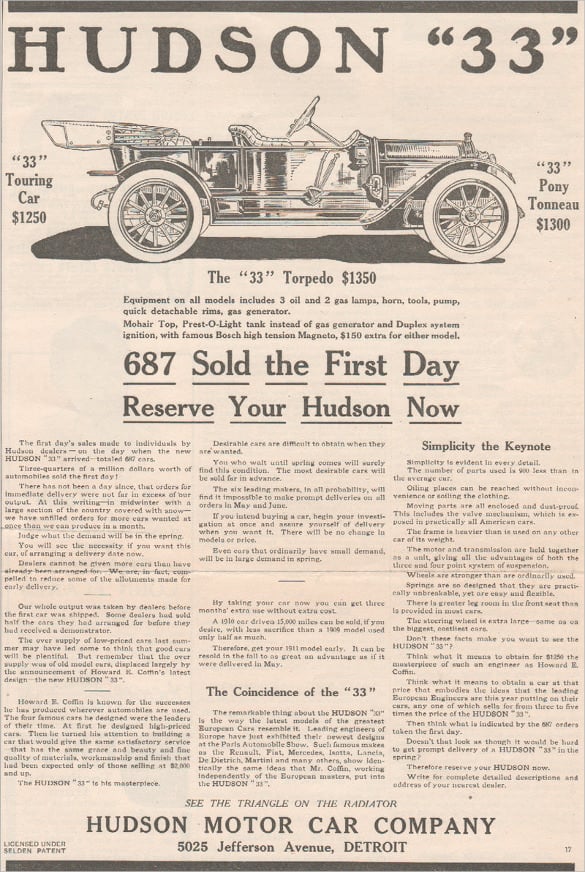 The first paid advert has been stated that La Presse a french newspaper was paid by an industry in June 1836, they put the advert in their first page so the readers could see it as soon as possible. the price for advertising on newspapers was low than as they were a new of advertising. one of the first advertising agency the N.W Ayer & sons was formed and started making adverts for companies who wanted to advertise the products or services on newspapers since they couldn't always produce their own adverts and waste time doing it. This was good for both the companies outsourcing to advertisers since it made adverting a profession. In the 1910s and 1920s advertisers doctrine that the human instincts could be targeted meaning they knew if they got to the right audience they can get people to purchase the products since they desired them.
Radio:
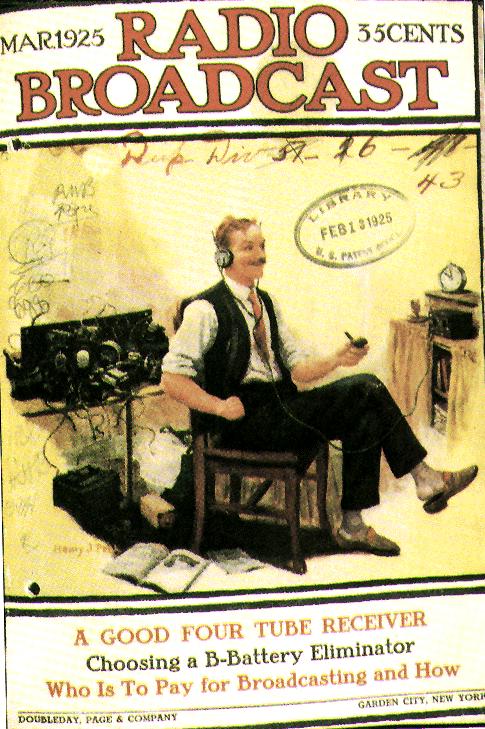 In the early 1920's radio station were getting set up and when sponsoring programs got popular almost each radio program was sponsored by an industry in return for a brief promotion of the business which was sponsoring them. The radio industry quickly realized that they can make profit from advertising if they were to advertise more than one business at a time. This was possible as they were advertising the sponsors fast meaning they could handle more than just one advert.
Radio advertisement was mostly used by local business since it was affordable and they could reach out to the locals. this was a good way to advertise as it allowed them to spread awareness of the business to nearby potential customers which were likely to by their products.
Commercial & Cable Television:
In the early 1950's Dumont Television Network was the first one to start selling advertisement time to more than one sponsor. They did this as they were struggling to find sponsors and couldn't stay limited to just one sponsor for each program. Later, around the ending of the 1980's and the beginning of 1990's cable television people starting watching popular show just catch a good advert in which they might be interested in. this is because people were willing to watch adverts instead of going to the mall and search for products for hours. This made advertising extremely popular which lead to the creation of new specialised channels aim entirely at people who are looking for items to purchase, e.g. QVC.
Tuesday, 7 November 2017
Cultivation theory
The Cultivation Theory proposes that the
exposure of television could influence audience perception of reality. This
theory suggest that if the audience watches a lot of television that they can
get manipulated into disbelieve reality and rejecting it. In this theory
Gerbner focus on three entities; institutions, messages and publics. Gerbner believed
that television had such a huge effect on its consumers that the influence it
had on people could be compared to a religion since had such a huge influence
on modern society. Overall his Theory focused on the large meaning of heavy TV
consumptions over the meaning of specific messages.
 The Cultivation Theory has three different
view which it analyzed:
The Cultivation Theory has three different
view which it analyzed:
Moderate viewers: This look at viewers who
watch TV for less than 2 hours a day and don’t bother watching television
often. These viewers are unlikely to be influence by television and their perception
of reality is a lot stronger. Therefore, they are not impacted when they watch
voilance or other influence things since they can make have own perception of
reality.
Heavy Viewers: These are viewers who watch
television a 4 hours or more each day. These viewers are lot more easily
influenced by television and struggle to see reality meaning they see the world
how the television portrays it to them. Therefore, television has a huge impact
on their life since they spend a majority of their time watching television
hence they are more easily influenced.
Light viewers: These are viewers who spend
4 hours each day watching television. These viewers are not influenced by
television as much as heavy viewers since they can still see reality as it is.
This means that they television could impact them but they can still tell what
is real and what isn’t since they do not rely on television to make they own decisions.
Friday, 3 November 2017
Adverts Censorship
Censorship
Committee of Advertising Practice
 The committee of advertising practice was found in 1961 by the advertising association creating the "CAP code", which was created to insure that advertiser stay within their means and when advertise towards different audiences they should considers what is alright and what isn't. CAP is a sister company to ASA, which regulate television advert to ensure they stay moral and don't offend social groups or promote the wrong things. they also make sure that any complainants made by viewers are dealt with. Hence they look at what advertise are promoting and selling, then they check whether or not it is staying within the regulation and if its not they ban it.
The committe of advertising practice main responsibility is to write you all the advertising codes involving both broadcast and non broadcast codes. An example of this is depending on the persons age there are different rules that advertisers have to follow if they are aiming the advert at them e.g. children adverts cannot not have adult content. They help stop companies from advertise the wrong content by giving them support by training and giving them guidelines to follow before they can advertise.
Some of the advertising codes:
Alcohol: The rules for this is to protect people under the age of 18 from being targeted at by these adverts since it is illegal for under 18 to drink alcohol.
Children: There are rule that the content advertise towards children has to be apprioprate for there age. for example you cannot put adult content in their adverts.
Environment Claims: Industries which are claiming to be 'green' must provide evidence that they are actually environmentally friendly.
Free Claims: Advertisement cannot describe a product or service as free or anything similar if the consumer has to pay for anything.
Gambling: They ensure that people under the age of 18 are not targeted at and ensures that their vulnerability is protected.
Harmful: They need to ensure that the advert does not have harmful content since they use of these cause the audience to be shocked which could lead to panic.
Advertising Standards Authority
 The Advertising Standards Authority is an independent advertising regulator which is the main advertising regulator in the United Kingdom, they role is to ensure that adverts follow the advertising codes. They regulate many forms of advertisement from mobile message to billboards, they do this to make sure that the adverts being displayed are not offending groups of people since offensive adverts could provoke the public. This is why ASA bans all offensive, misleading and harmful adverts. Although, the ASA does control a majority of advertisement they are limited when it comes to sponsorship, press release, shop windows and etc... The ASA is extremely strict with advertisers since they would investigate an advert even if it has just one complaint.
ASA regulates:
Brochures. Channels, Commercial emails, Leaflets, Mobile messages, Magazines, Newspapers, Radio, Television, Television Shopping and sale promotions.
ASA does not regulates:
Shop windows Posters, Sponsorship of both events and programmes, telephone calls, press release, political ads and private ads.
Overall the ASA mainly tries to ensure that advertisement in United Kingdom are moral and not misleading the public. They also make sure advertisers are following the advertising codes by regularly checking adverts released to the public and deal with complaints made, in fact the dealt with over 31,458 complaints made about thousands of adverts.
Committee of Advertising Practice
 The committee of advertising practice was found in 1961 by the advertising association creating the "CAP code", which was created to insure that advertiser stay within their means and when advertise towards different audiences they should considers what is alright and what isn't. CAP is a sister company to ASA, which regulate television advert to ensure they stay moral and don't offend social groups or promote the wrong things. they also make sure that any complainants made by viewers are dealt with. Hence they look at what advertise are promoting and selling, then they check whether or not it is staying within the regulation and if its not they ban it.
The committe of advertising practice main responsibility is to write you all the advertising codes involving both broadcast and non broadcast codes. An example of this is depending on the persons age there are different rules that advertisers have to follow if they are aiming the advert at them e.g. children adverts cannot not have adult content. They help stop companies from advertise the wrong content by giving them support by training and giving them guidelines to follow before they can advertise.
Some of the advertising codes:
Alcohol: The rules for this is to protect people under the age of 18 from being targeted at by these adverts since it is illegal for under 18 to drink alcohol.
Children: There are rule that the content advertise towards children has to be apprioprate for there age. for example you cannot put adult content in their adverts.
Environment Claims: Industries which are claiming to be 'green' must provide evidence that they are actually environmentally friendly.
Free Claims: Advertisement cannot describe a product or service as free or anything similar if the consumer has to pay for anything.
Gambling: They ensure that people under the age of 18 are not targeted at and ensures that their vulnerability is protected.
Harmful: They need to ensure that the advert does not have harmful content since they use of these cause the audience to be shocked which could lead to panic.
Advertising Standards Authority
 The Advertising Standards Authority is an independent advertising regulator which is the main advertising regulator in the United Kingdom, they role is to ensure that adverts follow the advertising codes. They regulate many forms of advertisement from mobile message to billboards, they do this to make sure that the adverts being displayed are not offending groups of people since offensive adverts could provoke the public. This is why ASA bans all offensive, misleading and harmful adverts. Although, the ASA does control a majority of advertisement they are limited when it comes to sponsorship, press release, shop windows and etc... The ASA is extremely strict with advertisers since they would investigate an advert even if it has just one complaint.
ASA regulates:
Brochures. Channels, Commercial emails, Leaflets, Mobile messages, Magazines, Newspapers, Radio, Television, Television Shopping and sale promotions.
ASA does not regulates:
Shop windows Posters, Sponsorship of both events and programmes, telephone calls, press release, political ads and private ads.
Overall the ASA mainly tries to ensure that advertisement in United Kingdom are moral and not misleading the public. They also make sure advertisers are following the advertising codes by regularly checking adverts released to the public and deal with complaints made, in fact the dealt with over 31,458 complaints made about thousands of adverts.
Subscribe to:
Comments (Atom)
-
A jingle is a quick song or tune used by an organization when advertising to get brand recognition. Meaning jingles are a form of sound br...
-
A radio advert is when an organisations pays for promotes of their goods and services using a radio station. Radio advertisers use radio to...
-
Institutional adverting is when an organisation decide to promote its intention more than their goods and services. This is designed to h...


